The Timeless Beauty of Carnatic Music: A Beginner’s Guide
Updated: Jun 4
Carnatic music stands as one of the oldest and richest classical music traditions in the world. Rooted deeply in South Indian culture, it offers a unique blend of melody, rhythm, and spirituality that continues to captivate listeners across generations. For those new to this art form, understanding its core elements can open the door to a rewarding musical journey.
What Makes Carnatic Music Unique
Carnatic music differs from many other music styles through its emphasis on vocal performance, even when instruments are played. The human voice is considered the primary instrument, and instrumental music often mimics vocal techniques. This tradition focuses on intricate melodic patterns called ragas and rhythmic cycles known as talas.
Ragas are specific scales or modes that evoke particular emotions or moods.
Talas provide the rhythmic framework, ranging from simple to complex time cycles.
This structure allows performers to improvise within a defined set of rules, creating music that is both disciplined and expressive.
Key Components for Beginners
Starting with Carnatic music involves familiarizing yourself with several foundational concepts:
1. Swaras (Musical Notes)
Carnatic music uses seven basic notes called swaras: Sa, Ri, Ga, Ma, Pa, Da, Ni. These correspond roughly to the Western solfège system (Do, Re, Mi, Fa, So, La, Ti). Each swara can have variations that add depth and color to the melody.
2. Raga (Melodic Framework)
A raga is more than just a scale; it defines how notes are used, which notes are emphasized, and the mood the music should convey. For example:
Raga Shankarabharanam is bright and joyful.
Raga Kalyani has a soothing and devotional feel.
Learning a few common ragas helps beginners appreciate the emotional range of Carnatic music.
3. Tala (Rhythm Cycle)
Talas are rhythmic patterns that repeat cyclically. The most common tala is Adi tala, an 8-beat cycle. Others include Rupaka tala (3 beats) and Misra Chapu (7 beats). Understanding tala helps listeners and performers keep time and appreciate rhythmic complexity.
Instruments in Carnatic Music
While vocal music is central, several traditional instruments support and enhance performances:
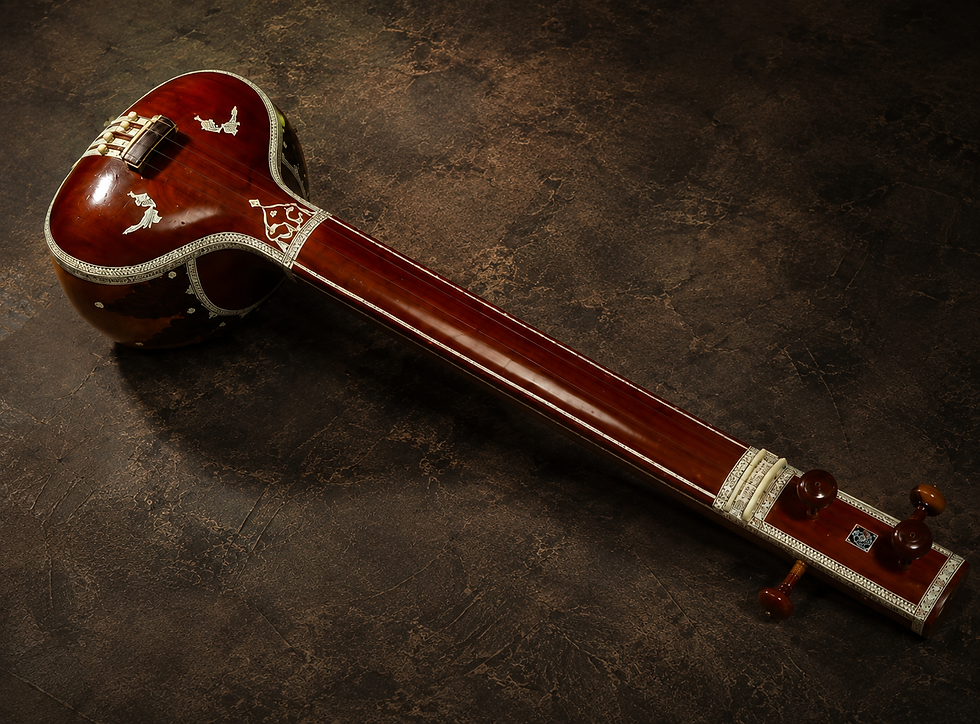
Veena: A stringed instrument with a rich, resonant tone.
Mridangam: A double-headed drum that provides rhythmic accompaniment.
Violin: Adapted from Western music, it closely follows the vocal line.
Flute: Adds melodic ornamentation with its airy sound.
Each instrument plays a specific role, contributing to the overall texture of the music.
How to Start Listening and Learning
For beginners, the world of Carnatic music might seem complex, but there are simple ways to get started:
Listen to popular compositions by legendary artists like M.S. Subbulakshmi or L. Subramaniam.
Attend live concerts or online performances to experience the energy and interaction between artists.
Learn basic swaras and talas through beginner tutorials or classes.
Practice simple compositions called varnams and kritis to build familiarity.
Apps and websites now offer accessible lessons, making it easier than ever to explore this tradition.
The Cultural and Spiritual Connection
Carnatic music is deeply intertwined with Hindu devotional themes. Many compositions praise deities like Krishna, Shiva, or Saraswati. This spiritual aspect adds a layer of meaning that goes beyond the notes and rhythms.
Understanding this connection helps listeners appreciate the music’s purpose: to evoke devotion, peace, and reflection.
Why Carnatic Music Remains Relevant Today
Despite its ancient origins, Carnatic music continues to thrive because it adapts while preserving tradition. Contemporary artists blend classical techniques with new styles, reaching wider audiences. The music’s focus on improvisation encourages creativity, keeping performances fresh and engaging.
For beginners, this means there is always something new to discover, whether through traditional concerts or fusion collaborations.